
Introduction: Why Paper Matters in Box Packaging
When it comes to packaging, paper is one of the most versatile and essential materials used to create both simple and luxury boxes. Choosing the right paper for boxes affects not only how your packaging looks but also how strong it is and how well it protects your products. In this guide, we’ll break down the main types of paper for boxes, what they’re good for, and how to pick the perfect paper—even if you’re not a packaging expert.
Types of Paper for Boxes
1. Card Stock Paper
Card stock paper, sometimes called pasteboard or cardboard, is thicker and stiffer than regular printing paper. It’s super popular for paper boxes because it’s durable and easy to customize in terms of thickness and surface finishes.
- White Card Stock Paper: Has a shiny coating on one side, perfect for bright, colorful printing. Often used for cosmetic boxes and branded packaging. Weight usually ranges from 200gsm to 400gsm.
- Gold Card Stock Paper: Gives a luxurious gold metallic look, perfect for high-end gift boxes.
- Silver Card Stock Paper: Offers a sleek, modern vibe, great for electronics or premium product packaging.
Card stock is ideal for small to medium-sized boxes where you want high-quality printing and a classy finish.
2. Kraft Paper
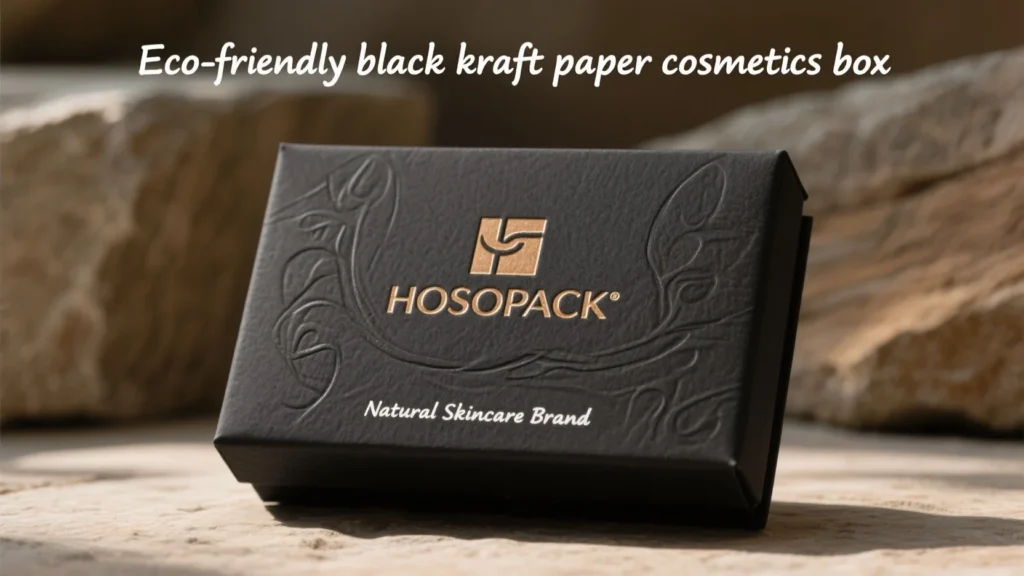
Kraft paper for boxes is a popular eco-friendly choice. It’s made from chemical pulp and is known for being strong and resistant to tearing. Many sustainable brands love using kraft paper for their packaging.
- Brown Kraft Paper: Has a natural, earthy look. Best for simple designs and eco-friendly brands.
- Black Kraft Paper: Great for white printing and elegant box inserts.
- White Kraft Paper: Stronger than regular card stock and works well for colorful printing.
While kraft paper is sturdy, brown and black versions aren’t great for complex color printing.
3. Coated Paper
Coated paper has a super smooth surface and is awesome at absorbing ink, making it perfect for high-quality printing. But since it’s usually pretty thin, it’s often glued onto thicker materials like card stock or fiberboard so your boxes stay strong and look sharp.
4. Specialty Papers
Specialty papers bring unique textures, finishes, and cool effects to box packaging. They’re perfect if you want your boxes to stand out.
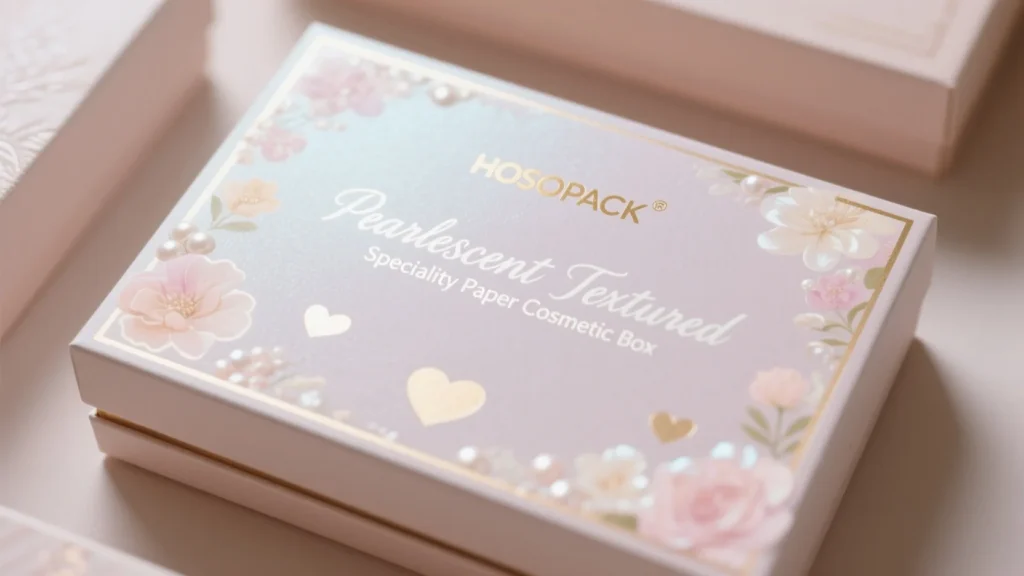
- Art Paper: Can look pearly, shiny, or have soft colors.
- Leather Paper: Looks and feels like real leather but is much cheaper.
- Textured Paper: Comes in tons of patterns for a unique touch and feel.
Specialty papers are a fantastic way to create luxury packaging that grabs attention online or in stores.
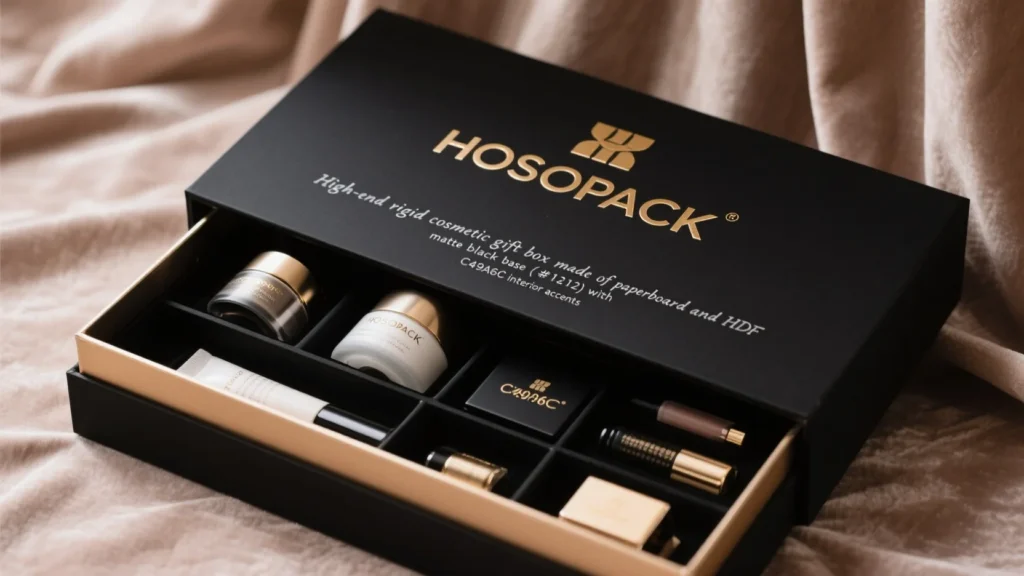
5. Paperboard and High-Density Fiberboard
- Paperboard: A thick, rigid material that forms the structure of many boxes. Usually covered with printed coated paper for branding.
- High-Density Fiberboard (HDF): Also called hardboard, HDF is used for rigid boxes that need extra strength, especially larger ones. It’s more expensive but perfect for luxury boxes or packaging heavy items.
6. Corrugated Fiberboard
Corrugated fiberboard is the go-to for shipping boxes and sturdy packaging. It’s made of wavy paper (flutes) sandwiched between flat linerboards, offering great protection and shock resistance.
Different flute types include:
- A Flute (5mm): Great cushioning, used for die-cut boxes.
- B Flute (3mm): Good puncture resistance.
- C Flute (4mm): A balanced choice for stacking strength, very common.
- E, F, G Flutes (1.5mm – 0.5mm): Thin and lightweight, perfect for retail packaging.
Corrugated boxes are best for big or heavy products and can still look good with printed designs on the outside.
How to Pick the Right Paper for Your Boxes (Even If You’re Not a Packaging Expert!)
Choosing the best paper for boxes doesn’t have to be complicated. Here’s how to make the right choice:
- Think About Box Type: Are you making rigid boxes, corrugated boxes, or card stock boxes? Each type works best with different papers.
- Check Product Size and Weight: Small, light products fit well in card stock boxes. Bigger or heavier items might need corrugated fiberboard for extra protection.
- Consider Printing Needs: Want vibrant colors and sharp graphics? Coated papers or specialty papers are your friends.
- Look at Your Budget: Premium materials like specialty paper or HDF cost more but make your boxes look super high-end. Balance what you want with what you can spend.
- Think About Brand Image: Natural kraft paper signals eco-friendly values. Metallic papers scream luxury. Pick what suits your brand story.
Still not sure? Don’t stress! Talking to packaging professionals can help you find the perfect paper that fits your product, design ideas, and budget.
Conclusion
From luxurious gold card stock to eco-friendly kraft paper, there are endless options when it comes to paper for boxes. Each type brings its own unique strengths, look, and feel, helping you create packaging that protects your product and makes your brand shine.
Need help deciding which paper is right for your custom boxes? Reach out to our team today, and we’ll help you find the perfect solution for your packaging needs.
