
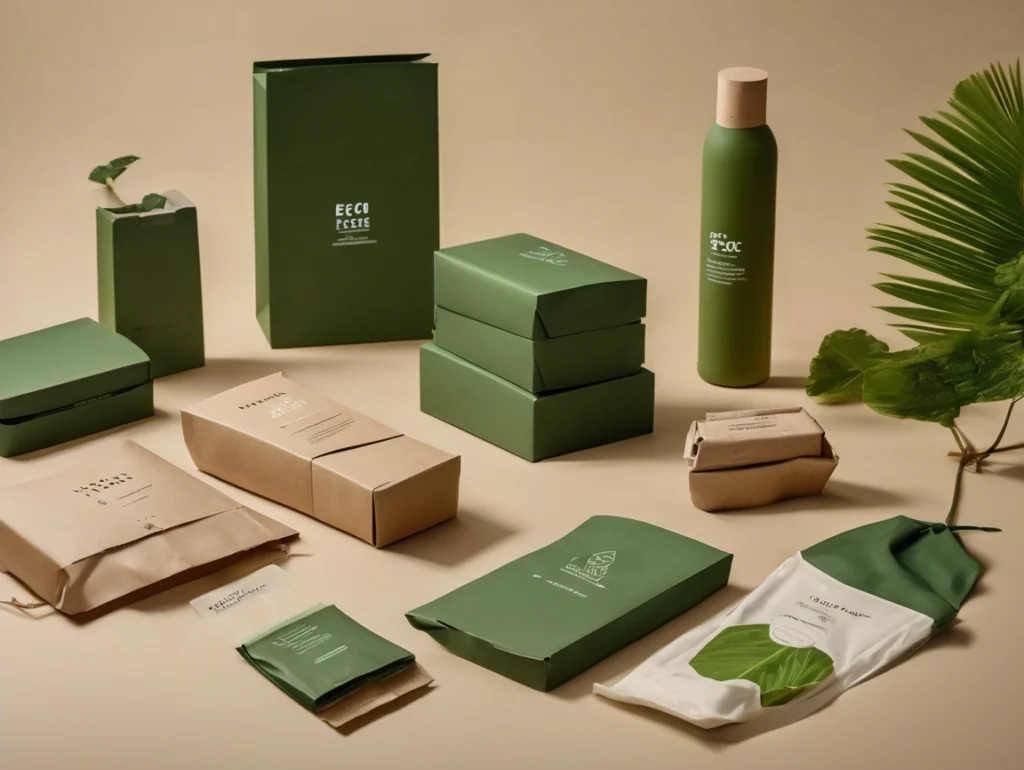
Sustainability is no longer just a buzzword—it’s a brand expectation. In Europe and the United States, eco-conscious packaging has shifted from a nice-to-have to a prerequisite for shelf space, consumer trust, and long-term brand loyalty.
This article outlines key eco-packaging trends shaping the cosmetic, jewelry, and luxury goods markets, and provides practical steps for brands looking to upgrade to environmentally friendly packaging without compromising on aesthetics or quality.
- Why Sustainable Packaging Matters in Western Markets
• Shifting Consumer Mindset
Millennials and Gen Z buyers actively prefer brands that demonstrate environmental responsibility. Packaging often becomes their first proof point.
• Retailer & Platform Compliance
Major retailers like Sephora, Amazon, and Walmart are incorporating sustainability criteria into vendor requirements. Non-compliant packaging risks delisting.
• Brand Reputation & ESG Scoring
Eco-packaging supports broader environmental, social, and governance (ESG) efforts, boosting brand reputation and investor appeal.
- Key Packaging Trends in the EU and US (2024–2025)
✅ Plastic-Free Structures
Replacing plastic trays and laminates with molded pulp, paperboard inserts, or biodegradable alternatives.
✅ FSC-Certified Paperboard
Using Forest Stewardship Council-certified paper ensures traceable, responsible sourcing—an EU and US market standard.
✅ Modular & Easily Disassembled Boxes
Designing packaging that can be separated into recyclable components (e.g., no glued magnetic flaps, detachable trays).
✅ Reusable Packaging
Boxes designed to be repurposed as organizers or storage cases create post-purchase value and reduce waste.
- Recommended Materials & Structures
• Paperboard Materials
- FSC-certified white card or kraft paper
- Recycled or agricultural-waste fiber (e.g., sugarcane bagasse)
• Box Structures
- Drawer box + paperboard insert (no plastic tray)
- Paper tube with eco-friendly closures
- Rigid box with removable tray, no foil/magnet
- Green-Friendly Finishing Techniques
• Lamination Alternatives
- Water-based matte or gloss coatings instead of plastic lamination
• Soy or Vegetable-Based Ink
- Low-VOC, safe for direct food or cosmetic packaging
• Minimalist Printing
- Reduced ink coverage, tone-on-tone effects, or blind embossing to align with low-impact design principles
- Case Study: Lucky Color x Nordic Skincare Brand
Client: A minimalist skincare label emphasizing zero plastic and 100% recyclability.
Our Solution:
- FSC-certified white card box with water-based matte coating
- Drawer structure with removable insert, no adhesives used
- Molded sugarcane pulp tray replacing EVA foam
- Minimal ink design using plant-based dyes
Result: Successfully passed EU packaging compliance, entered German and Dutch retail chains, and gained attention from green beauty influencers.
- How to Transition Your Brand to Eco Packaging
Step 1: Assess Existing Materials
Review all current packaging elements with your supplier to identify plastic or non-recyclable components.
Step 2: Rethink Structural Design
Switch to mono-material formats and simplified constructions that enable recycling and flat shipping.
Step 3: Adjust Visual Identity
Embrace minimalist design and nature-inspired themes that align with eco values and reduce printing load.
Step 4: Test & Certify
Verify structural strength, moisture resistance, and recyclability through pre-shipment tests, especially for export.
- Conclusion: Sustainability Is Not a Compromise—It’s an Upgrade
Sustainable packaging aligns with modern brand values and consumer demand. From materials and structure to finish and storytelling, every element can reinforce your environmental credibility.
Need help making the switch? Lucky Color offers end-to-end green packaging solutions—from FSC materials and eco-ink finishes to export compliance and design consultation. Let your packaging reflect your brand’s future.
